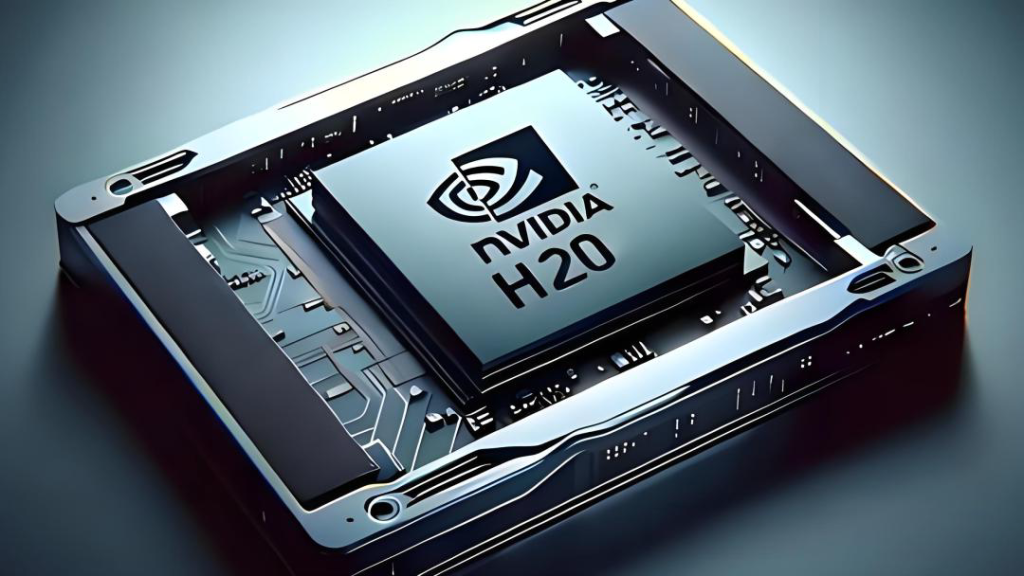
Amid ongoing debate over the U.S. Senate’s SAFE Act, former President Donald Trump announced on December 8 via Truth Social that his administration has approved the export of Nvidia’s H200 AI chips to China. This marks a notable shift in the longstanding U.S. restrictions on advanced semiconductor sales to China.
The decision followed a recent meeting between Trump and Nvidia CEO Jensen Huang. However, the approval comes with significant conditions: Nvidia’s latest Blackwell and upcoming Rubin architectures remain excluded, and the company must pay the U.S. government 25% of its H200 sales revenue from China—a model that may also apply to other chipmakers such as AMD and Intel.
While the move could bring short-term relief to Nvidia and help ease AI computing shortages in China, it also underscores the persistent geopolitical friction around technology trade. Analysts see the step as a calibrated compromise between preserving U.S. technological edge and addressing commercial realities. For China, the episode reinforces the urgency of accelerating domestic chip development to ensure long-term technological self-reliance.